Analysis configuration
Summary
Use analysis configurations to enable or disable steps in the analysis process. You can choose which analysis configuration to apply on a firmware either during the upload process or later from the Firmware Info page.
Modify analysis configurations
- Click Configuration in the top menu bar and select Analysis Configurations
- Create a new configuration by clicking Create new analysis configuration, or edit an existing one by clicking the Edit button.
- Activate/deactivate 0-day binary analysis, RTOS firmware detection or both.
Run a configuration
When uploading new firmware
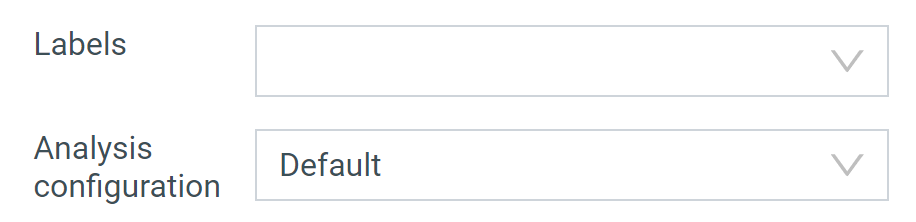
Select a configuration from the Analysis configuration dropdown:
On a previously uploaded firmware
- Enter Firmware analysis view by selecting a firmware on your dashboard or in the Firmwares tab.
- Select the Firmware Info page.
- Click on the Edit button.
- Select a configuration from the Analysis configuration dropdown
- Rerun the analysis for the new configuration to take effect.
Extended Component Rules 
Extended component rules identify software components using fuzzy matching. They complement the existing component detection by searching for:
- File names - Matching component names in file paths
- Symbol names - Matching component signatures in ELF binary symbols
- String contents - Matching component identifiers in binary strings
- Version extraction - Extracting version numbers from any of the above
Detection Levels
OFF (Default)
- Extended rules are completely disabled
- Analysis relies only on standard component detection methods
- Use when: You want faster analysis or are concerned about false positives
Strict
- Very strict matching
- Minimizes false positives but may no find too many extra components
- Use when: Accuracy is critical and you prefer fewer, higher-confidence detections
Balanced
- Balanced matching
- Good trade-off between detection rate and accuracy
- Use when: You want comprehensive component detection with reasonable confidence
Loose
- Relaxed matching
- Finds a high number of components but increases false positive risk
- Use when: You need exhaustive component discovery and can validate results manually
Enabling extended component rules increases analysis time, especially at looser detection levels.